News
ABOUT US
NAMPA UNIVERSE
PARTNERS

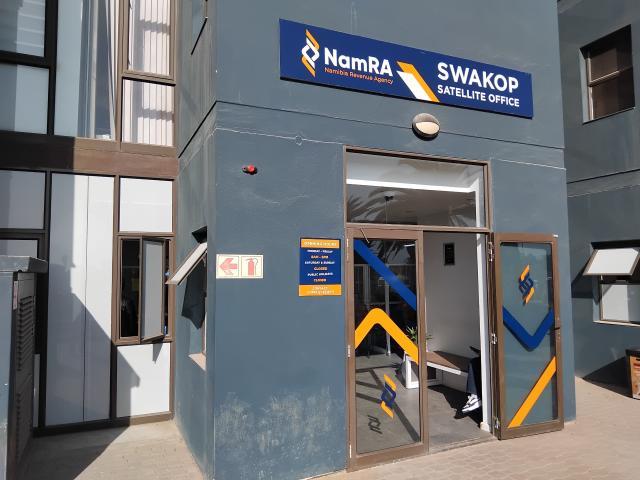
SWAKOPMUND, 11 July 2025 - Namibia emerged as the standout performer in the 2026 African country rankings, surging from 15th to 3rd place, largely driven by a favorable tax environment and improvements in other key areas. (Photo by: Isabel Bento) NAMPA.
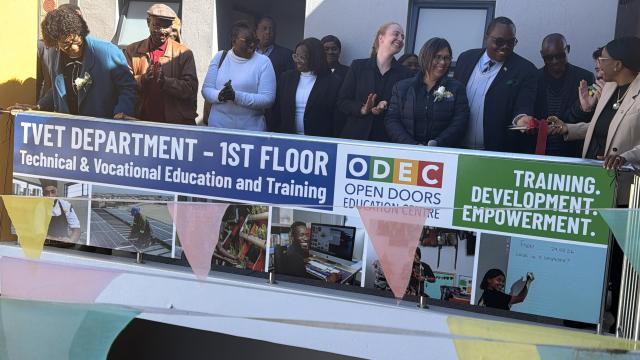
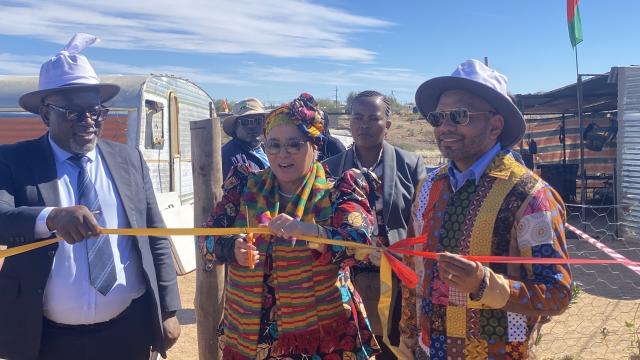
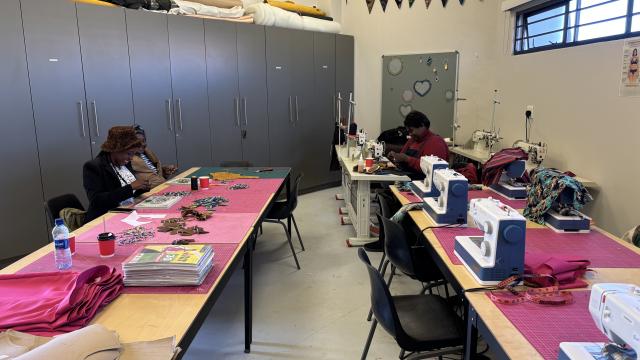
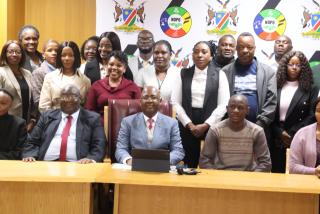
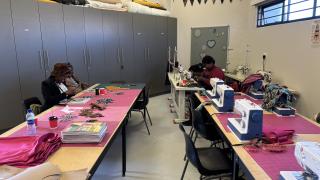
SWAKOPMUND, 11 June 2026 -Speaker of the National Assembly Saara Kuugongelwa (far right), Erongo Governor Natalia /Goagoses (far left) photographed with ODEC management and staff and other political leaders during the unveiling of the Open Doors Education Centre (ODEC) Technical and Vocational Education and Training (TVET) Programme in Swakopmund on Thursday. (Photo by: Isabel Bento) NAMPA
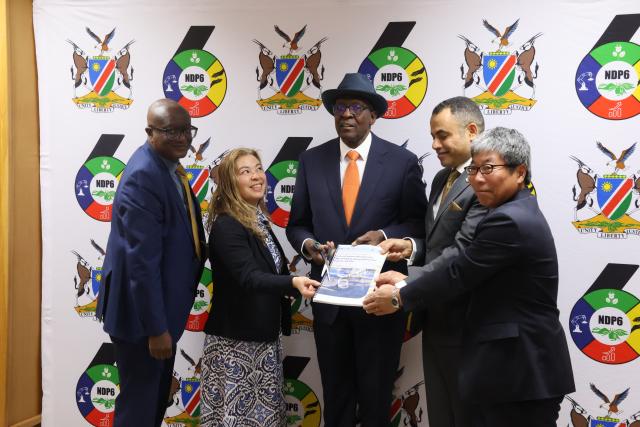
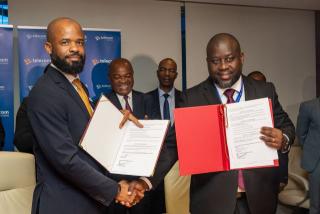
WINDHOEK, 11 JUNE 2026 - Namibia has released its Impact Assessment Report on the African Continental Free Trade Area (AfCFTA) and the Accelerated Industrial Development for Africa (AIDA) in Windhoek on Thursday, an event commissioned by the Executive Director and Director General at the National Planning Commission, along with Jane Matsubara, JICA advisor; Mustafa Sakr, the Head, Trade and Market Unit at AUDA; and Akihiro Hoshino, Japan International Agency Resident Representative. (Photo by: Uakutura Kambaekua) NAMPA.
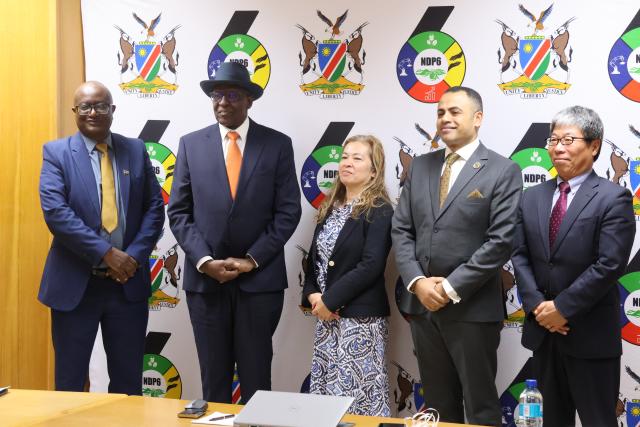
WINDHOEK, 11 JUNE 2026 - Namibia has released its Impact Assessment Report on the African Continental Free Trade Area (AfCFTA) and the Accelerated Industrial Development for Africa (AIDA) in Windhoek on Thursday, an event commissioned by the Executive Director and Director General at the National Planning Commission, along with Jane Matsubara, JICA advisor; Mustafa Sakr, the Head, Trade and Market Unit at AUDA; and Akihiro Hoshino, Japan International Agency Resident Representative. (Photo by: Uakutura Kambaekua) NAMPA.
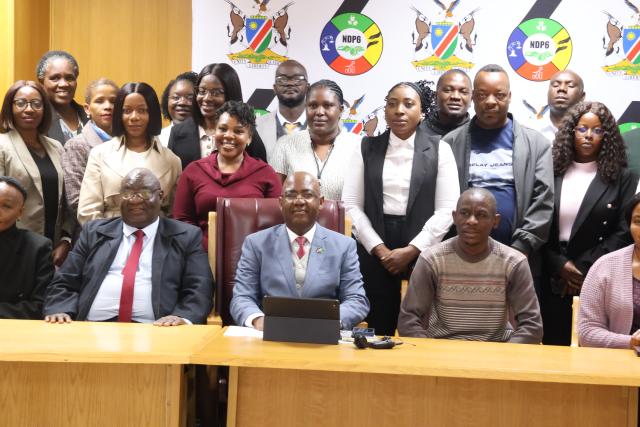
WINDHOEK, 11 JUN (NAMPA) The National Planning Commission has launched its Strategic Plan for 2025/26 – 2029/30. The commission's executive director, I-Ben Nashandi (centre), led the launch alongside key strategic stakeholders in Windhoek on Thursday. (Photo by: Uakutura Kambaekua) NAMPA.
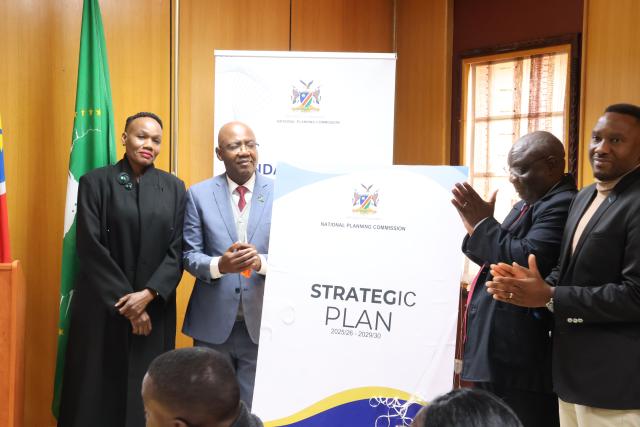
WINDHOEK, 11 JUN (NAMPA) The National Planning Commission has launched its Strategic Plan for 2025/26 – 2029/30. The commission's executive director, I-Ben Nashandi (second from left), led the launch alongside key strategic stakeholders in Windhoek on Thursday. (Photo by: Uakutura Kambaekua) NAMPA.

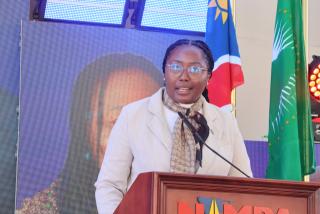
WINDHOEK, 11 June 2026 - Former first lady, Monica Geingos. (Photo by: Molly Weyulu) NAMPA
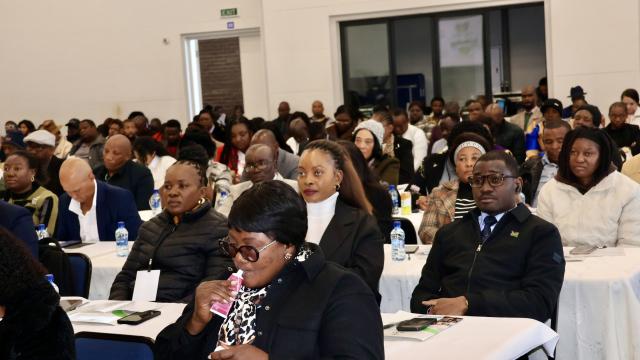
WALVIS BAY, 10 June 2026 - Delegates attending the Association of Local Authorities in Namibia (ALAN) Elective Congress in Walvis Bay. The three-day congress will conclude with a the election of a new leadership to guide the association for the next term. (Photo by: Isabel Bento) NAMPA
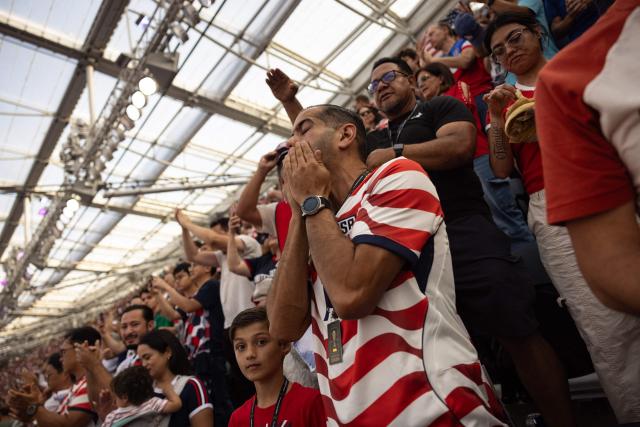
A USA fan reacts during the US national anthem prior to the 2026 World Cup Group D football match between USA and Paraguay at the Los Angeles Stadium in Inglewood, California, on June 12, 2026. (Photo by ETIENNE LAURENT / AFP)
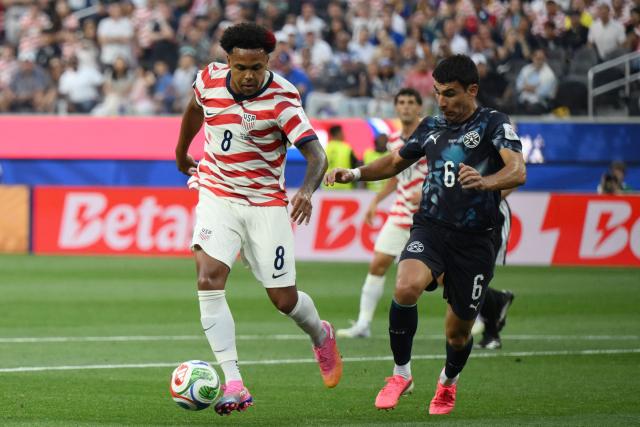
US midfielder #08 Weston McKennie and Paraguay's defender #06 Junior Alonso fight for the ball during the 2026 World Cup Group D football match between USA and Paraguay at the Los Angeles Stadium in Inglewood on June 12, 2026. (Photo by Patrick T. Fallon / AFP)
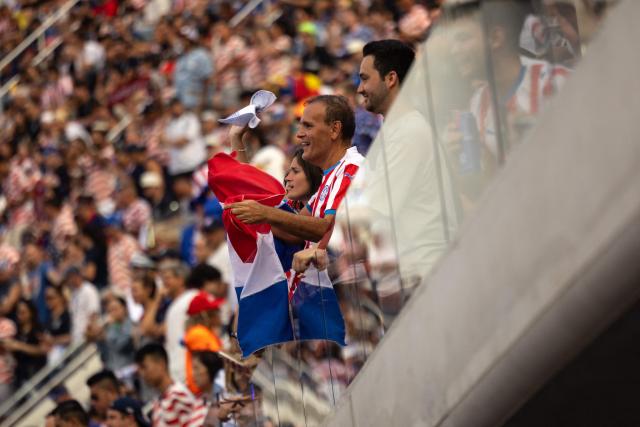
Paraguay fans cheer prior to the 2026 World Cup Group D football match between USA and Paraguay at the Los Angeles Stadium in Inglewood, California, on June 12, 2026. (Photo by ETIENNE LAURENT / AFP)

A USA fan reacts during the US national anthem prior to the 2026 World Cup Group D football match between USA and Paraguay at the Los Angeles Stadium in Inglewood, California, on June 12, 2026. (Photo by ETIENNE LAURENT / AFP)
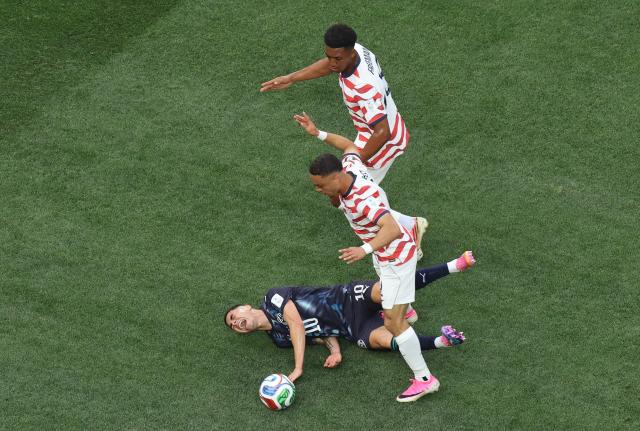
US defender #16 Alex Freeman (C) and defender #02 Sergino Dest fight for the ball with Paraguay's midfielder #10 Miguel Almiron (L) during the 2026 World Cup Group D football match between USA and Paraguay at the Los Angeles Stadium in Inglewood on June 12, 2026. (Photo by Valerie MACON / AFP)
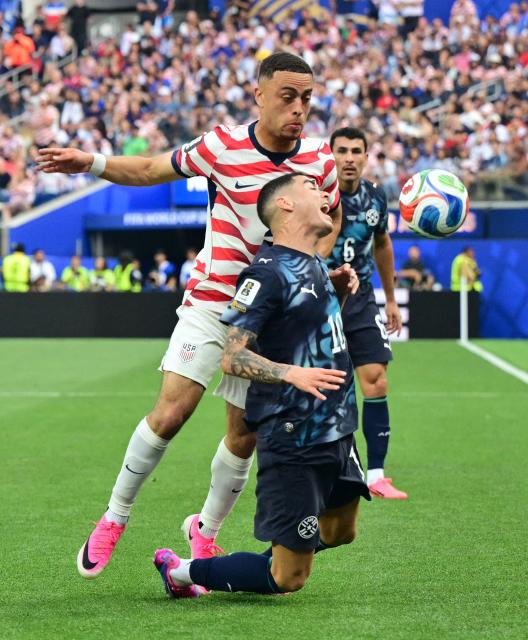
US defender #02 Sergino Dest (L) and Paraguay's midfielder #10 Miguel Almiron fight for the ball during the 2026 World Cup Group D football match between USA and Paraguay at the Los Angeles Stadium in Inglewood on June 12, 2026. (Photo by Frederic J. BROWN / AFP)
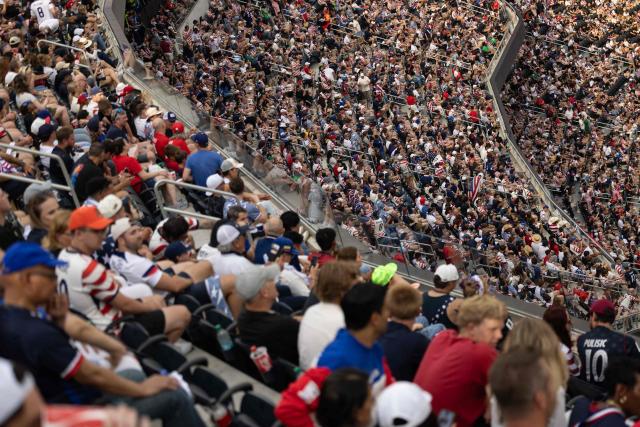
Fans watch the 2026 World Cup Group D football match between USA and Paraguay at the Los Angeles Stadium in Inglewood, California, on June 12, 2026. (Photo by ETIENNE LAURENT / AFP)

USA fans celebrate after their team scored their first goal during the 2026 World Cup Group D football match between USA and Paraguay at the Los Angeles Stadium in Inglewood, California, on June 12, 2026. (Photo by ETIENNE LAURENT / AFP)