
News
ABOUT US
NAMPA UNIVERSE
PARTNERS
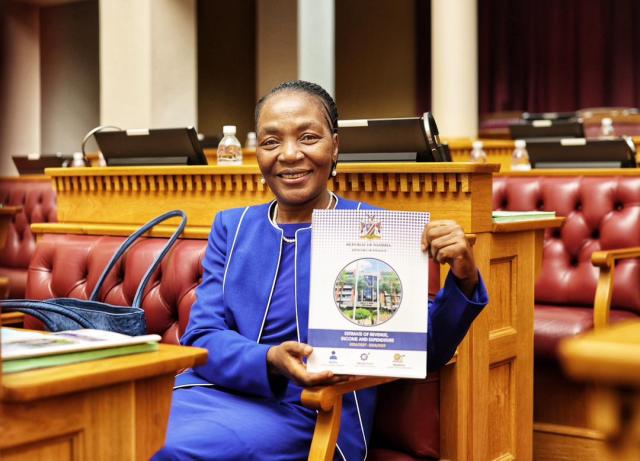 WINDHOEK, 26 February 2026 - Minister of Finance Ericah Shafudah tabled the national budget on 26 February. (Photo: Contributed)
Business
Latest NAMPA photos
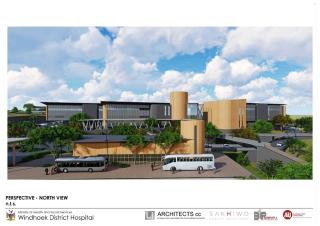
WINDHOEK, 10 October 2026 - An architectural design of the proposed Windhoek District Hospital in the Havana suburb. Project proposals and preliminary bulk works are underway, with major construction set to begin in 2027. (Photo: Contributed) NAMPA.
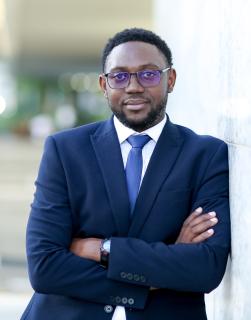
WINDHOEK, 07 October 2026 - Manager of Public Relations and Media Operations Corporate Engagement & International Relations University of Namibia Simon Namesho. (Photo contributed)
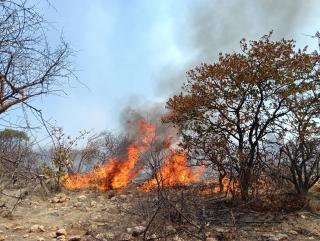
Otjozongombe, 07 October 2026- A wildfire burns across grazing areas in the Otjozongombe area of the Opuwo Rural Constituency in the Kunene Region on Wednesday. (Photo: Kaviveterue Virere) NAMPA
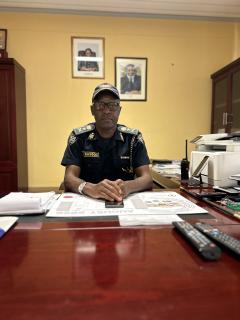
WINDHOEK, 06 October 2026- Omusati Regional Commander Ismael Basson. ( Photo by Eba Kandovazu). NAMPA
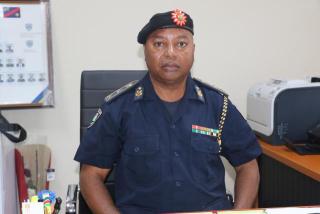
WINDHOEK, 06 October 2026- Oshana Regional Commander, Andreas Shilelo. (Photo contributed). NAMPA
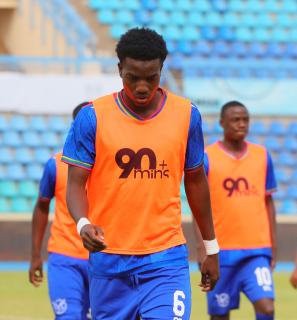
GABORONE, 05 October 2026- National U23 player while warming up ahead of their match against Angola during the 2028 Olympic Qualifiers in Gaborone, Botswana. (Photo: contribute) NAMPA
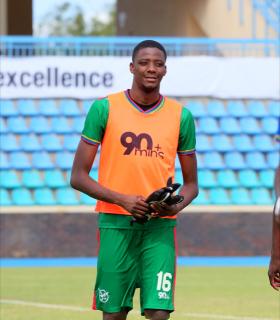
GABORONE, 05 October 2026- National U23 player Brago Rukoro while warming up ahead of their match against Angola during the 2028 Olympic Qualifiers in Gaborone, Botswana. (Photo: contributed) NAMPA
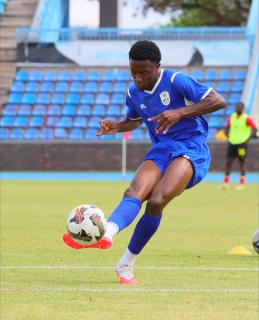
GABORONE, 05 October 2026- National U23 player while warming up ahead of their match against Angola during the 2028 Olympic Qualifiers in Gaborone, Botswana. (Photo: contribute) NAMPA