News
ABOUT US
NAMPA UNIVERSE
PARTNERS



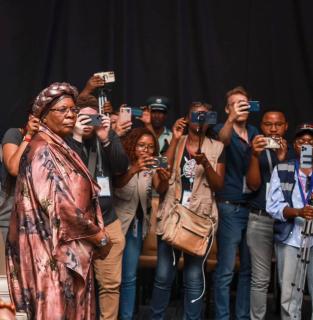


WINDHOEK, 27 October 2026 - China's Ambassador to Namibia Zhao Weiping speaking at the China-Africa Cooperation Symposium in Windhoek on Tuesday. (Photo: Contributed)

WINDHOEK, 27 October 2026 - Economic Association of Namibia chairperson Jason Kasuto speaking at the China-Africa Cooperation Symposium in Windhoek on Tuesday. (Photo: Contributed)

WINDHOEK, 07 October 2026 - Acting Secretary General of the Namibia Football Association Mabos Vries pictured at the Sam Nujoma Stadium in Katutura during the prime minister's surprise visit to assess renovations that are being carried out in preparation of Confederation of African Football accredited matches. (Photo: Hesron Kapanga) NAMPA

WINDHOEK , 07 October 2026 - Acting Secretary General of the Namibia Football Association, Mabos Vries, pictured at the Sam Nujoma Stadium in Windhoek. (Photo: Hesron Kapanga) NAMPA
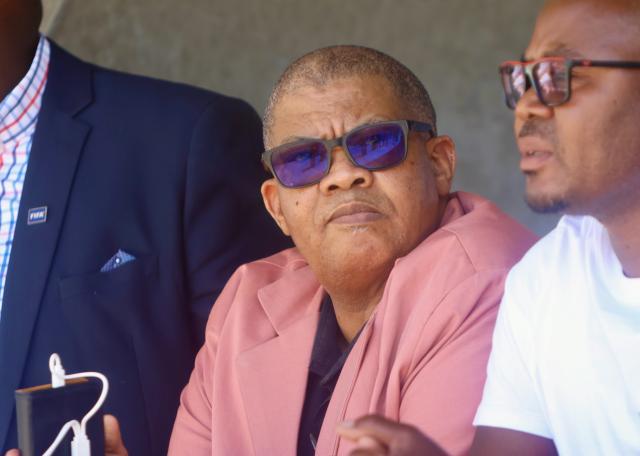
WINDHOEK , 07 October 2026 - Acting Secretary General of the Namibia Football Association, Mabos Vries, pictured at the Sam Nujoma Stadium in Windhoek. (Photo: Hesron Kapanga) NAMPA

WINDHOEK, 07 October 2026 - The Sam Nujoma Stadium in Katutura is undergoing structural renovations in preparation of the Confederation of African Football accredited matches. (Photo: Hesron Kapanga) NAMPA
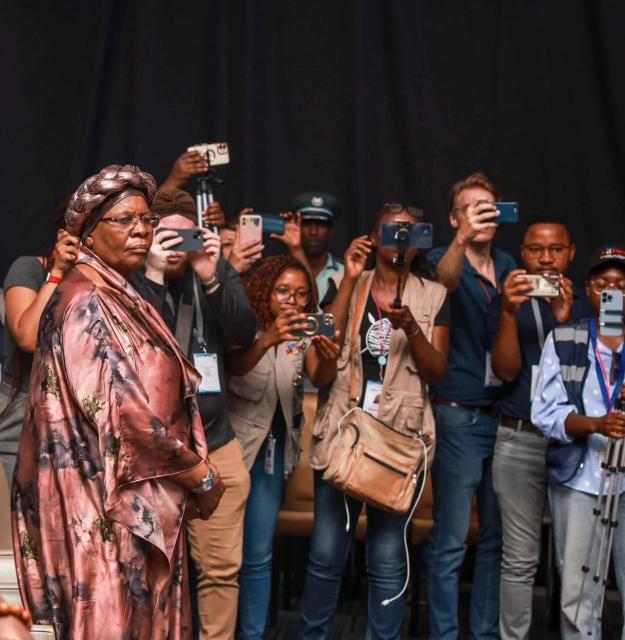
WINDHOEK, 27 November - Journalists’ working conditions, including low pay, lack of employment contracts and safety concerns, were highlighted in a 2026 Federation of African Journalists report. (Photo: Contributed) NAMPA.

WINDHOEK, 27 October 2026 - (From left) Senior coach at Mindsinaction STEAM Centre, Hirukevi Mbinga; Nedbank Namibia marketing and communications intern, Stephen Eiseb; manager at Mindsinaction STEAM Centre, Petrus Amutenya; and Nedbank Namibia communications and corporate social investment specialist, Ndatala Angula pictured at the Mindsinaction STEAM Centre. (Photo: Contributed)

US actress Jada Pinkett Smith attends the Los Angeles premiere of "Ramayana" at the Academy Museum of Motion Pictures in Los Angeles on October 27, 2026. (Photo by VALERIE MACON / AFP)

US actress Jada Pinkett Smith attends the Los Angeles premiere of "Ramayana" at the Academy Museum of Motion Pictures in Los Angeles on October 27, 2026. (Photo by VALERIE MACON / AFP)

US actress Jada Pinkett Smith attends the Los Angeles premiere of "Ramayana" at the Academy Museum of Motion Pictures in Los Angeles on October 27, 2026. (Photo by VALERIE MACON / AFP)

US actress Jada Pinkett Smith attends the Los Angeles premiere of "Ramayana" at the Academy Museum of Motion Pictures in Los Angeles on October 27, 2026. (Photo by VALERIE MACON / AFP)

US actress Jada Pinkett Smith attends the Los Angeles premiere of "Ramayana" at the Academy Museum of Motion Pictures in Los Angeles on October 27, 2026. (Photo by VALERIE MACON / AFP)

US actress Jada Pinkett Smith attends the Los Angeles premiere of "Ramayana" at the Academy Museum of Motion Pictures in Los Angeles on October 27, 2026. (Photo by VALERIE MACON / AFP)
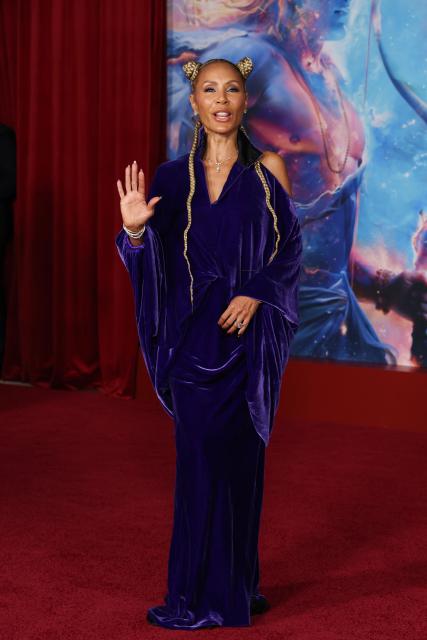
US actress Jada Pinkett Smith attends the Los Angeles premiere of "Ramayana" at the Academy Museum of Motion Pictures in Los Angeles on October 27, 2026. (Photo by VALERIE MACON / AFP)

US actress Jada Pinkett Smith attends the Los Angeles premiere of "Ramayana" at the Academy Museum of Motion Pictures in Los Angeles on October 27, 2026. (Photo by VALERIE MACON / AFP)