News
ABOUT US
NAMPA UNIVERSE
PARTNERS


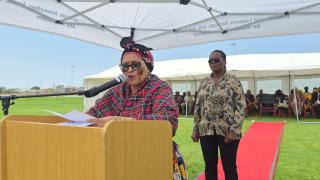
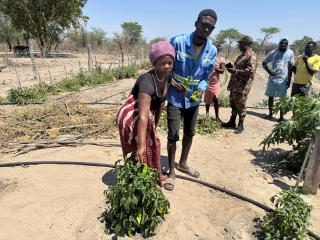


WINDHOEK, 02 October 2026 - President Netumbo Nandi-Ndaitwah delivering a keynote address at the One Economy Foundation's 11th Annual Fundraising Soiree. (Photo: Molly Weyulu) NAMPA

WINDHOEK, 02 October 2026 - From left to right: First Gentleman of Namibia, Lieutenant General Epaphras Denga Ndaitwah, One Economy Executive Chairperson Monica Geingos, President Netumbo Nandi-Ndaitwah, Prime Minister Elijah Ngurare and former speaker of the National Assembly Peter Katjavivi pose for a photo at the One Economy Foundation Fundraising Soiree. (Photo: Molly Weyulu) NAMPA

WINDHOEK, 02 October 2026 - Prime Minister Elijah Ngurare during the One Economy Foundation 11th Annual Fundraising Soiree. (Photo: Molly Weyulu) NAMPA

WINDHOEK, 02 October 2026 - Minister of Industries, Mines and Energy Modestus Amutse. (Photo: Molly Weyulu) NAMPA

WINDHOEK, 02 October 2026 - Executive Chairperson of the One Economy Foundation, Monica Geingos at the Foundation’s 11th Annual Fundraising Soiree. (Photo: Molly Weyulu) NAMPA

WINDHOEK, 01 October 2026 - President Netumbo Nandi-Ndaitwah delivering a keynote address at the One Economy Foundation’s 11th Annual Fundraising Soiree. (Photo: Molly Weyulu) NAMPA
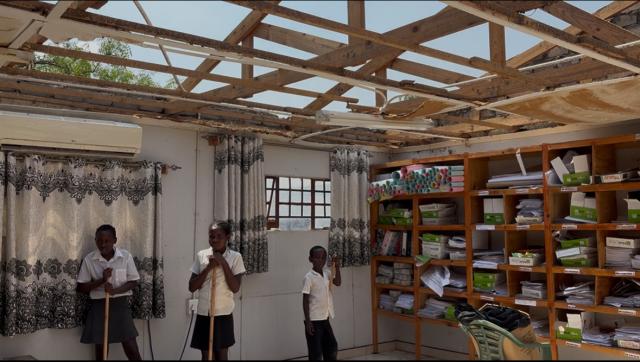
RUNDU, 01 October 2026 - Heavy rain damaged the staffroom at Ruben Makaranga Combined School in Rundu on Wednesday. (Photo by: Sawi Hausiku) NAMPA

KEETMANSHOOP, 01 October 2026 - NCCI Keetmanshoop Branch Chairperson Desmund Andreas has called for unity, discipline and full cooperation among stakeholders to contain the Foot-and-Mouth Disease outbreak in the ||Kharas Region. (Photo: Contributed)

(261004) -- BEIJING, Oct. 4, 2026 (Xinhua) -- This photo taken on Oct. 4, 2026 shows the city skyline at sunset in Beijing, capital of China. (Xinhua/Wang Jianhua)

(261004) -- BEIJING, Oct. 4, 2026 (Xinhua) -- This photo taken on Oct. 4, 2026 shows a sunset view in Beijing, capital of China. (Xinhua/Wang Jianhua)

(261004) -- BEIJING, Oct. 4, 2026 (Xinhua) -- This photo taken on Oct. 4, 2026 shows a sunset view in Beijing, capital of China. (Xinhua/Wang Jianhua)
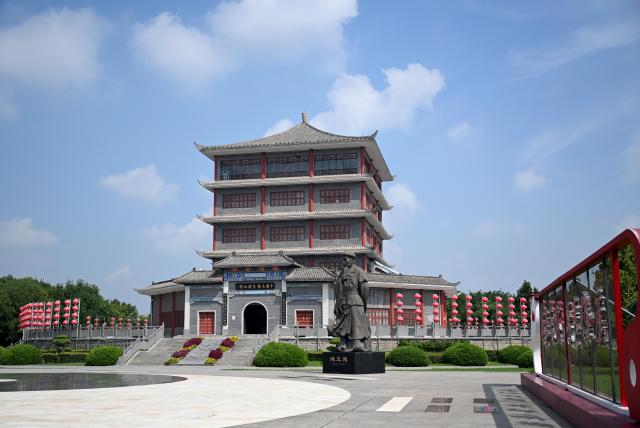
(261004) -- WENXIAN, Oct. 4, 2026 (Xinhua) -- This photo taken on Aug. 26, 2026 shows a Taijiquan Museum in Wenxian County, central China's Henan Province. Social media users in the West have recently embraced "Chinamaxxing," in which young people show interest in aspects of Chinese daily life. Taijiquan, a kind of traditional martial arts, was born in the mid-17th century in Chenjiagou Village. Rooted in Chinese philosophy, traditional medicine and martial arts, Taijiquan has evolved into a wide range of styles and is now practiced in more than 180 countries and regions. For foreign visitors, Chenjiagou is naturally one of the best spots to experience the "Chinamaxxing" trend. The small village offers a tranquil and comfortable living environment which lets visitors get away from the busy pace of city life and immerse themselves in traditional Chinese culture. (Xinhua/Li Jianan)
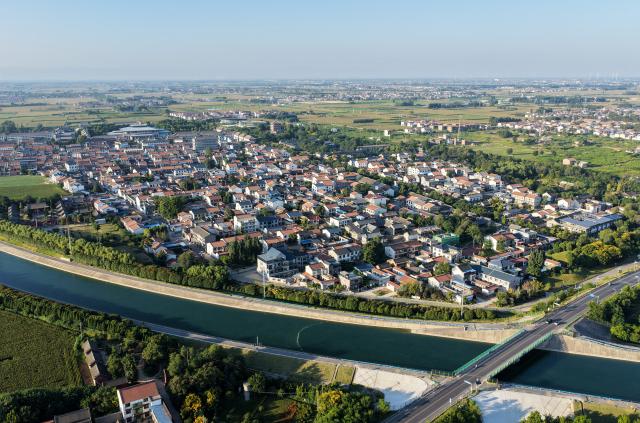
(261004) -- WENXIAN, Oct. 4, 2026 (Xinhua) -- An aerial drone photo taken on Sept. 3, 2026 shows a view of Chenjiagou Village in Wenxian County, central China's Henan Province. Social media users in the West have recently embraced "Chinamaxxing," in which young people show interest in aspects of Chinese daily life. Taijiquan, a kind of traditional martial arts, was born in the mid-17th century in Chenjiagou Village. Rooted in Chinese philosophy, traditional medicine and martial arts, Taijiquan has evolved into a wide range of styles and is now practiced in more than 180 countries and regions. For foreign visitors, Chenjiagou is naturally one of the best spots to experience the "Chinamaxxing" trend. The small village offers a tranquil and comfortable living environment which lets visitors get away from the busy pace of city life and immerse themselves in traditional Chinese culture. (Xinhua/Li Jianan)
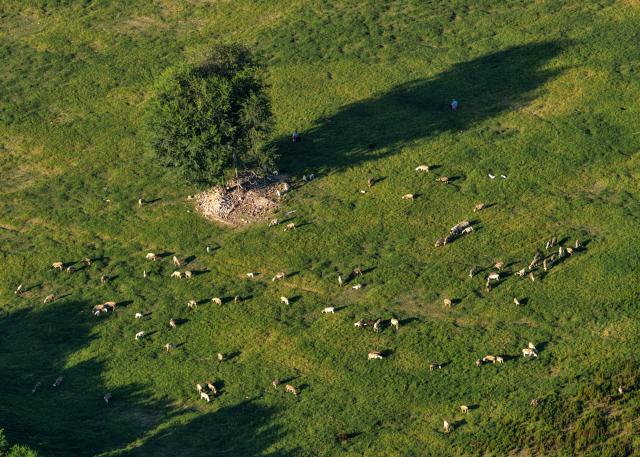
(261004) -- WENXIAN, Oct. 4, 2026 (Xinhua) -- An aerial drone photo taken on Sept. 3, 2026 shows a herd of sheep in Chenjiagou Village of Wenxian County, central China's Henan Province. Social media users in the West have recently embraced "Chinamaxxing," in which young people show interest in aspects of Chinese daily life. Taijiquan, a kind of traditional martial arts, was born in the mid-17th century in Chenjiagou Village. Rooted in Chinese philosophy, traditional medicine and martial arts, Taijiquan has evolved into a wide range of styles and is now practiced in more than 180 countries and regions. For foreign visitors, Chenjiagou is naturally one of the best spots to experience the "Chinamaxxing" trend. The small village offers a tranquil and comfortable living environment which lets visitors get away from the busy pace of city life and immerse themselves in traditional Chinese culture. (Xinhua/Li Jianan)
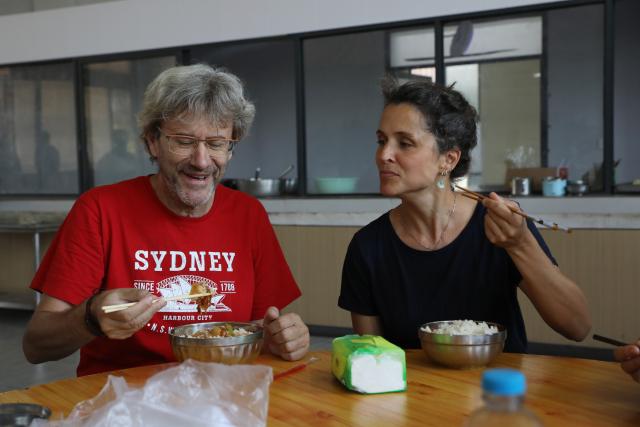
(261004) -- WENXIAN, Oct. 4, 2026 (Xinhua) -- Foreign Taijiquan enthusiasts have lunch at a martial arts club in Chenjiagou Village of Wenxian County, central China's Henan Province, Oct. 2, 2026. Social media users in the West have recently embraced "Chinamaxxing," in which young people show interest in aspects of Chinese daily life. Taijiquan, a kind of traditional martial arts, was born in the mid-17th century in Chenjiagou Village. Rooted in Chinese philosophy, traditional medicine and martial arts, Taijiquan has evolved into a wide range of styles and is now practiced in more than 180 countries and regions. For foreign visitors, Chenjiagou is naturally one of the best spots to experience the "Chinamaxxing" trend. The small village offers a tranquil and comfortable living environment which lets visitors get away from the busy pace of city life and immerse themselves in traditional Chinese culture. (Photo by Xu Hongxing/Xinhua)
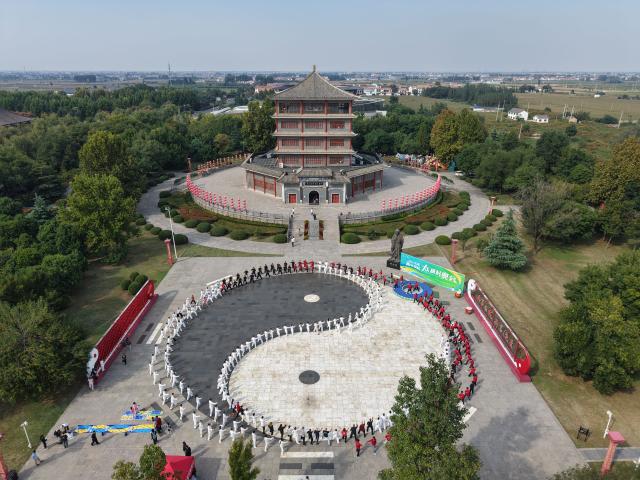
(261004) -- WENXIAN, Oct. 4, 2026 (Xinhua) -- An aerial drone photo taken on Oct. 2, 2026 shows Taijiquan enthusiasts practicing Taijiquan in front of the Taijiquan museum in Chenjiagou Village of Wenxian County, central China's Henan Province. Social media users in the West have recently embraced "Chinamaxxing," in which young people show interest in aspects of Chinese daily life. Taijiquan, a kind of traditional martial arts, was born in the mid-17th century in Chenjiagou Village. Rooted in Chinese philosophy, traditional medicine and martial arts, Taijiquan has evolved into a wide range of styles and is now practiced in more than 180 countries and regions. For foreign visitors, Chenjiagou is naturally one of the best spots to experience the "Chinamaxxing" trend. The small village offers a tranquil and comfortable living environment which lets visitors get away from the busy pace of city life and immerse themselves in traditional Chinese culture. (Photo by Xu Hongxing/Xinhua)